
Shady Seller Tactics in Real Estate
Buying your first home can feel like stepping into a world full of jargon, paperwork, hidden costs, and responsibilities you didn't even know existed.
Buying a home is one of the most significant financial decisions most people make. While many sellers act in good faith, the reality is that the home-selling process creates strong incentives for some to engage in questionable tactics. Understanding these behaviors — and knowing how to counter them — helps buyers protect their interests, money, and peace of mind.
1. Misrepresentation or Concealment of Property Condition
Symptoms
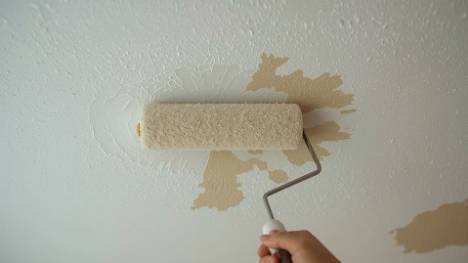
Fresh paint covering unknown stains, furniture strategically placed to hide damage, vague statements about "minor" issues, or conveniently unavailable records of past repairs. Problems like leaks, pest infestations, or structural damage may be downplayed or entirely omitted from conversation.
Why It Happens
Sellers fear that visible defects will reduce offers or encourage aggressive negotiation. Hiding problems can appear, to them, like a shortcut to a better price or faster sale. The imbalance of knowledge between seller and buyer makes this tactic tempting.
How to Counter
- Order a professional home inspection.
- Attend the inspection and ask direct questions.
- Request specialty inspections (HVAC, sewer scope, pest) when appropriate.
- Scrutinize freshly repaired or repainted areas.
2. Bait-and-Switch Listing Tactics
Symptoms
Photos that look dramatically better than the home in person, unclear descriptions implying features that aren't present, exaggerated square footage, or listings framed to suggest higher quality than reality.
Why It Happens
Sellers and agents may use idealized imagery or vague language to generate more foot traffic, hoping buyers become emotionally invested before discovering the truth.
How to Counter
- Visit the property at least once in person.
- Verify square footage and lot size using official records.
- Request raw, unedited photos or video tours.
- Return at different times of day to see the property under varied conditions.
3. Last-Minute Contract Changes
Symptoms
Sudden additions or removals of provisions, revised financial terms, new deadlines, or unexpected requirements that surface just before closing.
Why It Happens
As closing nears, sellers know buyers are emotionally and financially invested. They may try to leverage that commitment to renegotiate terms in their favor.
How to Counter
- Have all documents reviewed by your agent or attorney.
- Reject any verbal assurances — require changes in writing.
- Refuse rushed signatures and insist on proper review time.
- Be willing to pause or walk away if surprises appear.
4. Gazumping or Leveraging Higher Offers
Symptoms
A seller verbally agrees to your offer but later claims a higher offer came in, pressuring you to match or exceed it.
Why It Happens
In competitive markets, sellers may view offers as leverage tools rather than commitments, using buyer enthusiasm to drive up price without formally binding themselves.
How to Counter
- Push for written acceptance as early as possible.
- Set firm deadlines on your offer.
- Stay emotionally detached and avoid reactive bidding.
5. Creating False Urgency
Symptoms
Claims of "other interested buyers," "must close immediately," or "limited window" designed to pressure you into skipping due diligence steps.
Why It Happens
Urgency prevents buyers from noticing issues or negotiating effectively. It shifts power heavily toward the seller.
How to Counter
- Stick to your inspection and financing timelines.
- Refuse to waive crucial safeguards (appraisal, inspection, etc.).
- Request written proof of true deadlines or competing offers.
6. Hidden Title or Ownership Problems
Symptoms
Unsettled liens, unclear property boundaries, unexpected easements, or gaps in the title history appearing late in the process.
Why It Happens
Sellers may assume problems will go unnoticed until closing — or hope buyers will accept unresolved issues to avoid delays.
How to Counter
- Order a full title search early.
- Secure title insurance.
- Require all title issues to be resolved before closing.
7. False Promises About Repairs or Concessions
Symptoms
The seller agrees to complete repairs or provide credits but later delivers incomplete work, avoids documentation, or claims misunderstandings after commitments are made.
Why It Happens
Vague or verbal promises allow sellers to minimize financial obligations or delay action until buyers feel locked into the deal.
How to Counter
- Document all repairs and credits in the contract or addenda.
- Require deadlines and workmanship standards.
- Reinspect all agreed-upon repairs before closing.
- Use escrow holdbacks if necessary.
8. Swapping or Removing Appliances Before Closing
Symptoms
High-end appliances shown during walkthroughs are replaced with cheaper ones, or removed altogether. The switch often happens between the buyer's last visit and key handover, hoping the buyer won't realize until too late.
Why It Happens
Sellers may want to keep expensive appliances for their next home or avoid parting with valuable items. They assume buyers won't delay closing over "just appliances" or that proving the switch will be difficult.
How to Counter
- List each appliance in the contract, including brand and model.
- Photograph appliances during inspection and attach images to your records.
- Schedule the final walkthrough the same day as closing.
- Refuse to close if appliances are missing or switched.
- Request escrow holdbacks or financial credits if violations occur.
9. Deliberate Under-Disclosure
Symptoms
Vague or incomplete disclosure forms, evasive answers, or missing documentation for past repairs or known issues.
Why It Happens
Disclosing problems could decrease offers or encourage renegotiation. Some sellers hope buyers won't identify omissions.
How to Counter
- Carefully review all disclosures for vague language.
- Ask follow-up questions and request written clarifications.
- Have inspectors target suspicious areas specifically.
10. Off-Market or Withheld Listing History
Symptoms
A property reappears on the market without full listing history, unclear previous pricing, or unexplained removal and relisting.
Why It Happens
Withholding history helps sellers hide long days-on-market or prior failed sales, creating artificial scarcity and perceived value.
How to Counter
- Research historical listing data and comparable sales.
- Ask direct questions about previous market activity.
- Compare current pricing to neighborhood trends objectively.
Most sellers act honestly, but the minority who engage in deceptive or manipulative practices can significantly impact a buyer's financial and emotional experience. The key to protection is vigilance: insist on documentation, perform inspections thoroughly, verify everything independently, and never hesitate to slow down the process when something feels off.
By understanding the symptoms of shady behavior, the motivations behind it, and the best strategies to counter it, buyers can navigate even the most complex transactions with confidence.

Written by
Robert Hightower
Founder & Principal Broker
Robert is a licensed real estate broker with over 20 years of experience helping first-time homebuyers. A fourth-generation Chico, CA native, he holds a B.S. in Finance from CSU Chico and has guided hundreds of families through their homeownership journey.
Read full bioReady to Start Your Homeownership Journey?
Find out where can you start: whether it's obtaining a down-payment assistance, finding an affordable home, or taking a rent-to-own option.
Find Your Path