
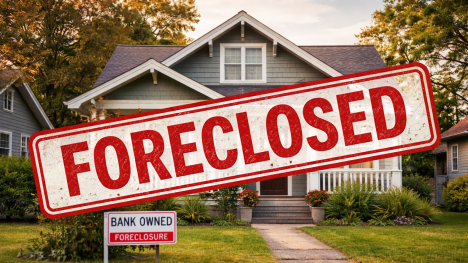
Is It Worth Buying a Foreclosed Home?
Buying your first home can feel like stepping into a world full of jargon, paperwork, hidden costs, and responsibilities you didn't even know existed.
I’ve sold homes through multiple booms and a couple of ugly downturns in Northern California. When foreclosures pop back into the conversation, I know what’s happening: buyers are frustrated, prices feel stretched, and people start looking where others are afraid to look.
Foreclosures get a bad rap. Some of it is earned. Some of it is recycled fear from folks who’ve never actually closed one. I’ve helped clients buy bank-owned homes, pre-foreclosures, and short sales. I’ve also told plenty of buyers to walk away. The truth sits in the middle.
So let’s answer the real question without fluff or scare tactics: Is it worth buying a foreclosed home? Short answer: yes — if the price is right and you know what you’re doing.
What Do Buyers Think a Foreclosure Is (and Why Are They Usually Wrong)?
Most buyers imagine a foreclosure as a screaming deal with no competition. A sad little house. Dust everywhere. The bank desperate to dump it. Buyer walks in, throws out a lowball offer, and walks out with instant equity.
That fantasy is about 20 years out of date.
What foreclosures really are today:
- Properties the bank wants off its books
- Often priced close to market, not fire-sale cheap
- Sold “as-is,” with limited disclosures
- Handled by asset managers following strict rules
That doesn’t mean they’re bad deals. It means they’re structured deals, not emotional ones.
Why Do Some Buyers Swear Foreclosures Are a Nightmare?
I’ve heard every horror story. Some of them are real.
“The house was trashed.”
That happens. When homeowners are forced out, they don’t always leave gracefully. I’ve walked foreclosures with missing appliances, cut wiring, ruined drywall, and yards that looked like they hadn’t seen water in years.
Here’s the key detail buyers miss: not all foreclosures are trashed. Some were rentals. Some were vacant but untouched. Some were owned by people who simply ran out of financial runway.
Assume damage until proven otherwise. Don’t assume disaster.
“The bank wouldn’t fix anything.”
Correct. And they never will.
Banks do not repair. They do not negotiate like people. They sell numbers on spreadsheets.
If you go into a foreclosure expecting repairs, credits, or emotional flexibility, you’re going to be disappointed. If you price repairs into your offer from day one, you’ll be fine.
“The process took forever.”
Also true — sometimes.
Foreclosures move on the bank’s timeline, not yours. Asset managers handle a lot of properties at once. Paperwork can crawl. Approvals can feel painfully bureaucratic.
This is not the house you buy if you’re trying to move in next week.
But patience isn’t the same thing as risk. It’s just friction.
Why Do Smart Buyers Keep Buying Foreclosures Anyway?
Price discipline
Banks price based on data, not emotion. They don’t “fall in love” with the house. They don’t overvalue their memories. When a foreclosure sits, banks reduce price methodically.
I’ve had clients buy foreclosures below comparable sales because the bank needed the asset gone before quarter-end. That’s real leverage.
Less seller drama
No divorce emotions. No inheritance disputes. No sellers changing their minds after inspections.
You’re dealing with an institution. Cold. Predictable. Boring.
I’ll take boring over emotional chaos any day.
Opportunity for equity
If you buy right — and that’s the key phrase — you can walk in with equity after repairs. Not theoretical equity. Actual value.
One Chico client (placeholder for your story) bought a bank-owned home that needed cosmetic work and a roof adjustment. They were nervous. Six months later, the appraisal came in well above purchase price plus repairs.
That doesn’t happen by accident. It happens by math.
What Are the Real Pitfalls (and How Do You Avoid Them)?
Foreclosures are worth it only if you respect the risks. Here’s where buyers get hurt.
Pitfall #1: Skipping inspections
Never do this. Ever.
Even if the bank says “inspection for informational purposes only,” you still inspect. You’re not inspecting to negotiate. You’re inspecting to decide whether to proceed.
I’ve killed foreclosure deals after inspections. That’s not failure. That’s success.
Pitfall #2: Underestimating repair costs
This is the most common mistake. Buyers see a cheap list price and forget:
- Deferred maintenance adds up
- Systems may not have been serviced
- Vacant homes age faster
You need real contractor numbers, not guesses. Pad them. Then pad them again. If the deal still works after that, it’s probably solid.
Pitfall #3: Title and occupancy issues
Some foreclosures come with baggage: old liens (usually cleared, but verify), occupants who haven’t left yet, HOA problems. This is why you don’t DIY foreclosure purchases. You need proper title review and someone who can spot red flags early.
Pitfall #4: Emotional attachment
Buyers sometimes “fall for the deal” instead of the numbers. They accept risks they wouldn’t accept in a normal purchase because the price feels exciting.
Excitement is not a strategy. If the numbers don’t work, walk. There will be another foreclosure.
Are Pre-Foreclosures and Short Sales a Different Animal?
Not all distressed properties are bank-owned yet.
Pre-foreclosures
These are homeowners behind on payments but still in the property. Sometimes they want out. Sometimes they’re overwhelmed. Sometimes they’re in denial.
These deals can work — but they’re fragile. You need patience, clean communication, and the understanding that nothing is guaranteed until the bank approves.
Short sales
Short sales are deals where the bank agrees to take less than what’s owed. I’ve closed them. I’ve also seen them fall apart after months of waiting.
They can be worth it if the discount is meaningful, the buyer isn’t on a deadline, and the buyer understands delays are normal. They’re not for anxious personalities.
Do You Need Cash to Buy a Foreclosure?
Another myth: “You need cash.” Not true.
Many foreclosures qualify for conventional financing. Some qualify for FHA or renovation loans. The key factor isn’t foreclosure status — it’s condition.
If the home is habitable and meets basic lending standards, financing is usually possible. If it’s rough, renovation loans may be an option — but those require more paperwork and stronger borrower profiles.
Who Are Foreclosures Perfect For?
Foreclosures shine for buyers who:
- Are comfortable with “as-is”
- Can handle some uncertainty and timing friction
- Understand repair budgeting
- Want value more than perfection
- Can separate emotion from math
They’re not ideal for buyers who:
- Need move-in ready
- Have zero tolerance for delays
- Are stretched thin financially
- Expect sellers to negotiate repairs
There’s no shame in either category. You just need to know which one you’re in.
Are Foreclosures Still Worth It Today?
Yes. But not blindly.
Foreclosures are not magic discounts. They are opportunities wrapped in responsibility. When the price reflects condition, risk, time, and repair cost, they can be some of the smartest purchases I’ve seen clients make.
When buyers chase them thinking they’re guaranteed steals, they get burned.
The Bottom Line (No Sugarcoating)
A foreclosed home is not a shortcut. It’s a different road.
If you buy one expecting perfection, you’ll hate it. If you buy one expecting work, patience, and planning, you can come out ahead.
I’ve watched clients turn foreclosures into stable homes, rentals, and long-term equity plays. I’ve also stopped deals cold when the numbers didn’t work.
Is it worth buying a foreclosed home? Absolutely — when the price is right, the risks are understood, and the buyer is realistic.
If you’re willing to do the homework, foreclosures can still reward buyers who think instead of panic.

Written by
Robert Hightower
Founder & Principal Broker
Robert is a licensed real estate broker with over 20 years of experience helping first-time homebuyers. A fourth-generation Chico, CA native, he holds a B.S. in Finance from CSU Chico and has guided hundreds of families through their homeownership journey.
Read full bioReady to Start Your Homeownership Journey?
Find out where can you start: whether it's obtaining a down-payment assistance, finding an affordable home, or taking a rent-to-own option.
Find Your Path